
Menopause
Menopause refers to the time of the last natural menstrual period and marks the end of a woman’s fertile phase of life. It is caused by a profound hormonal change in which the ovaries produce less and less estrogen and progesterone and the cycle comes to a permanent standstill.
Topics on this Page
Treatment Options
Menopause is a natural phase in every woman’s life, often accompanied by physical and emotional changes. Many women experience hot flashes, sleep disturbances, mood swings, or changes in the skin and body during this time. These symptoms can significantly affect daily life and raise questions: What is happening with my body? What treatment options are available? And how can I manage this phase as healthily and symptom-free as possible?
Menopause is more than just the end of fertility. It marks a life stage in which the body undergoes hormonal changes that are perceived very differently on an individual basis. While some women hardly notice any symptoms, others suffer from pronounced complaints that require medical support. There is a variety of treatment options – not just hormes – plus there are many health issues to keep in mind. If you have any open questions on your personal situation, I am happy to offer a detailed individual online-consultation on your symptoms and on therapeutic options.
Symptoms of Menopause
The most common symptoms of menopause include hot flashes, night sweats, sleep disturbances, mood swings, and dryness of the mucous membranes. Many women also notice weight gain, skin changes, or joint complaints. These symptoms are caused by the drop in estrogen levels and can vary significantly in severity. While some women have only mild complaints, others are massively affected in their daily lives.
Diagnosis begins with a detailed discussion about individual complaints, the cycle history, and medical history. If necessary, hormone tests are performed to determine hormonal status. Other causes of the symptoms, such as thyroid disorders or other diseases, should also be ruled out. A comprehensive diagnosis is important to develop an individualized treatment plan. If you have any open questions on your personal situation, I am happy to offer a detailed individual online-consultation on your symptoms and on therapeutic options.
What You Will Find Here
Treatment options during menopause are diverse and are tailored to individual symptoms and personal preferences. Hormone replacement therapy (HRT) can be very effective for severe symptoms such as hot flashes or sleep disturbances. It is now used at the lowest effective dose and for as short a time as possible to minimize risks. In addition to classic HRT, there are also bioidentical hormones, local estrogen preparations for vaginal complaints, and plant-based alternatives.
For women who do not want hormone therapy or for whom it is not suitable, non-hormonal treatments are available. Lifestyle changes such as regular exercise, a balanced diet, and stress reduction can alleviate symptoms. Herbal preparations, acupuncture, or psychological support can also be helpful. The choice of treatment should always be individualized and made after thorough consultation.
Menopause affects not only the body but often also the psyche. Feelings of sadness, change, or insecurity are normal. In a personal consultation, all questions about symptoms, diagnosis, and treatment options can be discussed to find an individual path through this phase of life.
Early Symptoms

Early Symptoms
Initially barely noticeable, the processes of follicle maturation in the ovaries change, first even in the sense of accelerated follicle maturation. This initially leads to more frequent ovulations and a shortening of the menstrual cycle. Additionally, typical symptoms of menopause can already occur some years before the actual menopause, such as facial flushing, hot flashes, palpitations, and sudden sweating. While some women hardly note such symptoms, for many others this dramatically reduces their daily drive and energy and/or their well quality of life. There are many individual treatment options and I am happy to help you find just the optimal one for you. Just contact me for a personal online-consultation.
Climacteric Complaints
Climacteric Complaints
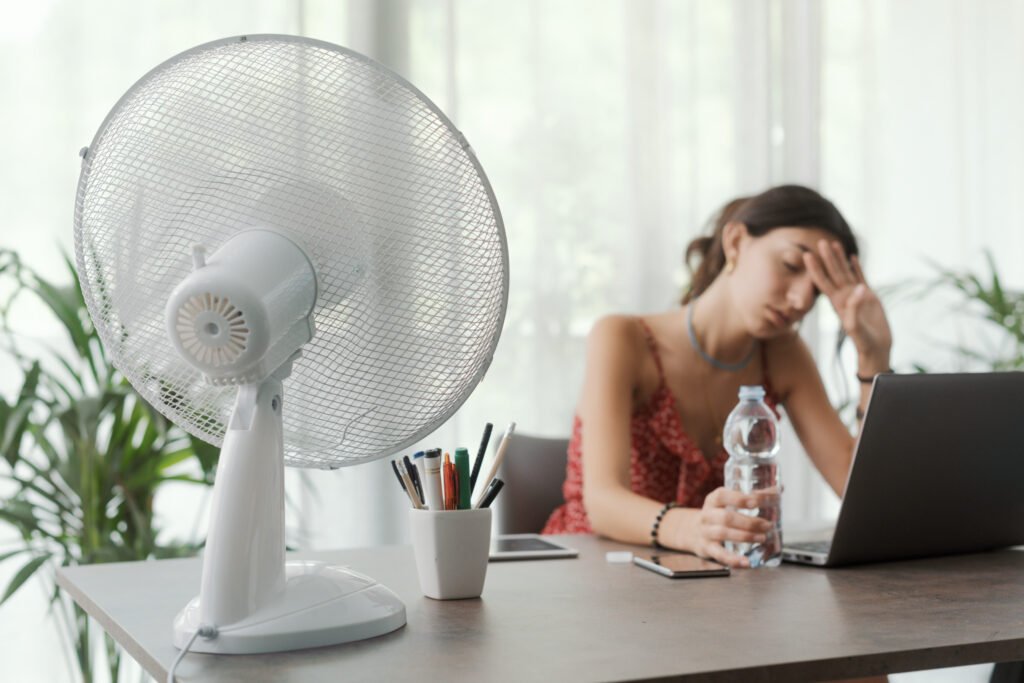
The increasing exhaustion of the ovaries and the resulting hormonal changes lead to a variety of more or less pronounced “climacteric complaints” in two out of three women – hot flashes, sweating, often alternating with chills, palpitations, sleep disturbances, concentration problems, muscle tension, and joint complaints – to name just a few. Mood can also be affected – usually in the form of melancholy, sadness, or depression, and often also sudden loss of drive. These complaints are usually extraordinarily stressful in daily and professional life and affect quality of life accordingly. In addition, climacteric complaints often persist for many years, usually much longer than initially expected. It is therefore strongly advisable not to simply “push through” or “grit your teeth” until the complaints pass “by themselves.” Under no circumstances should valuable years of life be spent with reduced quality of life. This is especially true now that there are effective and safe treatment options for every affected woman – by no means only hormonal ones. So don’t hesitate, inform yourself, seek advice – and if needed, I’m happy to help in a personal online consultation.
Long-term Health Risks
Long-term Health Risks
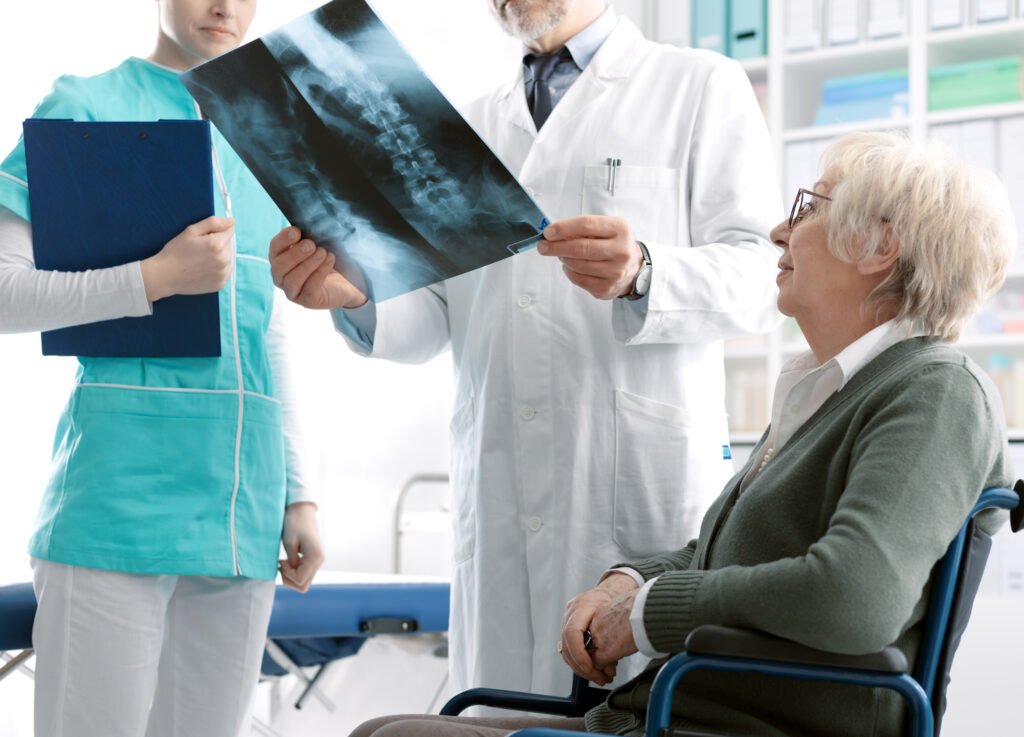
In a more advanced phase of post-menopause (the years after menopause), the permanent deficiency of female hormones, especially estrogen, often leads to increased vulnerability of the mucous membranes with resulting inflammatory changes, often also bladder problems and frequent urinary tract infections. This not infrequently also leads to pain during sex. Very effective relief can be achieved through appropriate local creams or suppositories, preferably with estriol, which is only locally effective. This estrogen form only works locally and is not absorbed into the bloodstream.
In the long term, the chronic lack of estrogen can also gradually lead to other, sometimes very serious physical problems: (1) the reduction in bone stability, which in the long term increases bone fragility (osteoporosis). (2) changes in vascular health, which increase the risk of circulatory disorders and heart-cardiovascular diseases. (3) potential changes in the brain, which are associated with cognitive impairment and an increased risk of dementia. These long term problems need to be avoided, and they are important to keep in mind. If you have any personal questions, do not hesitate to seek advice – just contact me to request an individual online consultation.
FAQ
Menopause refers to the time of the last natural menstrual period and marks the end of the fertile phase of life. It is caused by hormonal changes in which the ovaries produce less estrogen and progesterone.
Typical symptoms include hot flashes, sweating, sleep disturbances, mood swings, dryness of the mucous membranes, and changes in the skin. The intensity varies greatly from person to person.
Menopause usually begins between the ages of 45 and 55. Initial symptoms can occur years before the actual menopause when hormone production gradually declines.
Hormone replacement therapy (HRT) compensates for the deficiency of estrogen and progesterone. It can effectively relieve menopausal symptoms and reduce long-term health risks such as osteoporosis. The therapy should be individually adjusted.
Long-term estrogen deficiency can lead to osteoporosis (bone loss), cardiovascular diseases, and urinary incontinence. Timely treatment can significantly reduce these risks and improve quality of life.
In addition to hormone replacement therapy, there are herbal preparations (phytoestrogens), lifestyle changes (diet, exercise), relaxation techniques, and local treatments if needed. The choice depends on individual symptoms and preferences.
Cool rooms, breathing techniques, avoiding triggers (spicy food, alcohol, coffee), and light clothing can help. For severe symptoms, hormone therapy may be beneficial. In addition new specific non-hormonal medications appear to be effective in treating hot flushes. In fact, these agents act at the very receptor, where hot flushes originate.
Regular sleep times, a cool bedroom, avoiding screens before sleeping, and relaxation exercises can help. For persistent problems, medical treatment may be necessary.
Many women gain weight during menopause as metabolism slows down. Regular exercise, a balanced diet, and strength training can help maintain weight.
Mood swings, irritability, and depressive moods are common. Hormonal changes, lack of sleep, and life circumstances contribute to this. Support through conversations and therapy can help.
For severe symptoms, persistent bleeding after menopause, sudden changes, or uncertainty, you should seek medical advice. An individual consultation helps find the best treatment.
Local estrogen gels or suppositories, lubricants, and moisturizing creams help with vaginal dryness. For persistent symptoms, medical consultation may be beneficial.
The ring molecule 17-beta estradiol is predominantly produced in the ovaries. The diverse effects of this endogenous, "natural" estrogen are mediated by binding to the estradiol receptors alpha and beta, and these receptors occur in varying degrees in all possible regions of the body and in numerous tissues. This explains the diverse effects of estrogen on a wide range of physical and psychological functions. In addition to 17-beta estradiol, there are a number of other endogenous, i.e., "natural" estrogens (estrone, estriol, etc.), which differ in their potency and binding behavior to estrogen receptors as well as in other detailed properties (metabolism, inactivation, etc.). The dosage and method of application—i.e., administration as a tablet, cream, patch, vaginal ring, or spray—also have a significant influence on the various effects of estrogens. In addition to the body's own estrogens, there are also chemically modified estrogen-like substances that differ from the body's own bioidentical estrogens in terms of inactivation, binding behavior, and stimulation of estrogen receptors. These special properties can sometimes be used for specific medical conditions, such as in contraceptive pills or for diseases that benefit from a partial inhibition of the estrogen effect (e.g., endometriosis, breast cancer). Another important sex hormone produced naturally in the bodies of sexually mature women is progesterone. It is produced predominantly in ruptured (ovulated) follicles and therefore mainly in the second half of the cycle, and it plays a key role in preparing the uterine lining for implantation of the embryo and early pregnancy. Progesterone binds to and stimulates the two main forms of the progesterone receptor (PR-A and PR-B) – and this is also achieved in sometimes different forms by chemically produced progesterone-like hormones – the so-called progestogens. While progesterone binds almost exclusively to PR-A and PR-B, the different types of progestogens can also bind, stimulate, and in some cases inhibit other hormone receptors (estrogen, androgen, aldosterone, and hydrocortisone receptors). In fact, choosing the "right" progestin in a specific clinical situation can have very favorable, but possibly also unfavorable, additional effects compared to natural, bioidentical progesterone. In addition, sufficient duration and dosage of progestin administration is of great importance, especially in menopausal hormone therapy. In fact, too little or too short a course of progesterone or other progestogens can lead to bleeding disorders and even an increased risk of cancer of the uterine lining. The correct method of application and adequate dosage are particularly challenging for bioidentical progesterone, as this progestogen requires particularly high doses in tablet form to achieve sufficient effective levels, and it is not possible to achieve sufficiently safe effective levels through the skin.
In summary, the medicinal use of bioidentical 17-beta-estradiol has several pharmacological advantages and fewer side effects than chemically modified estrogens. The latter are mainly considered for special indications where "nature-identical" estrogens are not effective or not sufficiently effective.
The primary "nature-identical" progestogen—progesterone—can only be absorbed in sufficient concentrations via the gastrointestinal tract in relatively high doses in order to protect the uterine lining from degeneration in the long term. When administered through the skin – i.e., as a patch or cream – progesterone is almost always insufficiently dosed, meaning that such formulations carry an increased risk of endometrial cancer. Accordingly, chemically modified progestogens are used in hormone patches to achieve sufficiently safe concentrations for the uterine lining. In addition, chemically modified progestogens have additional effects that offer significant advantages over progesterone for some women, such as a reduction in the effects of male hormones (androgens) or diuretic effects (anti-aldosterone effects). To make prudent use of these progestin side effects while avoiding the possible risks and side effects of individual progestins, you should seek the advice of a specialist gynecologist.